
People want to feel safe at home, and many look for simple ways to protect what matters most. This is where security systems come in. Yet many people still wonder how alarm systems work and what shapes the price they pay. When you know the answers, you can make more intelligent choices. You also avoid paying for things you do not need.
This guide supports you with real insights, not hype, so you get the most value. Additionally, learning how systems respond in various situations prepares you to handle emergencies effectively. When you understand the process, your decisions feel more informed and easier. This provides clarity and peace of mind when selecting features that align with your daily life.
1. How Alarm Systems Work: The Simple Science Behind Protection
It helps to start with the basics, so you gain a clear picture of what happens when a system alerts you. Most systems follow a simple chain of steps. First, sensors watch for movement, sound, force, or changes in entry points. Then, when something unusual happens, the sensors send a signal to a control panel. Next, the control panel checks the signal and triggers alarms when needed. Finally, the system sends alerts to you or a monitoring center. This process acts quickly, so you don’t lose time during an emergency.
“Safety grows when you understand the tools that guard your space.”
That simple idea shows why knowledge matters. Because of this clear chain, you can see why strong parts matter. You also see why placement helps. When sensors are placed in strategic locations, they detect threats more quickly. When alerts come quickly, you respond more quickly. This helps you stay calm because you know the steps working behind the scenes. You also avoid missing details that help protect your family.
2. Key Components in Every Alarm System
Even though systems may look different, most share a core group of parts. These parts work together to provide steady protection.
Here Are the Main Pieces You Will See:
- Control panel: Works as the command center.
- Sensors: Watch doors, windows, and motion.
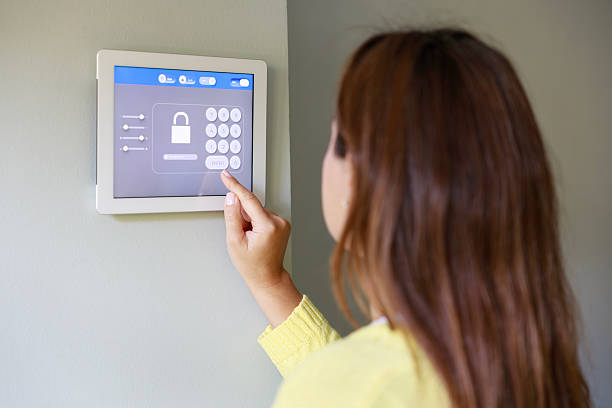
- Keypad or app: Helps you arm and disarm the system.
- Alarm siren: Makes noise to scare intruders.
- Communication device: Sends alerts to you or a monitoring team.
You benefit when you know what each part does because it helps you choose the right system. For example, if your home has many entry points, you may want more door and window sensors. When you understand these pieces, you also avoid paying for things you do not need. This keeps your choices simple and clear. Moreover, when you know how alarm systems work, issues become easier to spot. As you explore different setups, you may also notice extra tools like environmental sensors or video units. These add layers of awareness, helping you watch over your home with more detail. Understanding these options helps you shape a system that fits your comfort level.
3. The Step-By-Step Process of an Alarm Signal
Although the system looks complex, the process stays simple. Each event follows an order that helps you respond fast. Here is a clear breakdown:
| Step | What Happens | Why It Helps You |
| 1 | Sensor detects activity | You get fast alerts. |
| 2 | Panel checks the signal | It reduces false alarms. |
| 3 | Alarm sounds or sends a notice | You act right away. |
| 4 | The monitoring team contacts you | You gain added support. |
This table shows how a single action leads to a chain of safety steps. It also shows why each link matters. When every step works well, you feel more confident about your home. Because systems follow this process, it becomes easier to compare brands. You also understand what shapes service quality. This gives you more control over your decisions.
4. “Why Sensor Types Matter More Than You Think.”
Many people pick the wrong system because they do not know the power of sensor types. Yet sensors shape most of your experience. Different sensors catch different events. For example, motion sensors catch movement inside your home. Glass-break sensors hear the sound of breaking windows. Door and window sensors track openings. When you understand each type, you see which ones match your home layout.
“Your safety improves when each sensor fits your space and lifestyle.”
This simple idea helps you plan smarter.
When you match the right sensor to the right spot, you limit false alarms. You also build trust in your system because it responds only when needed. With this knowledge, you avoid buying features you do not need. You save money while staying protected.
5. Factors That Shape Alarm System Pricing
Now that you know how systems work, it is time to review what shapes the cost. Prices change for many reasons.
Here Are the Main Factors:
- System size
- Number of sensors
- Monitoring type
- Smart features
- Installation method
Each factor affects your final price. Because of this, you should think about your home size and needs. A small home may need fewer sensors. A large home may need more. When you know your needs, you avoid extra costs. This helps you stay within your budget. Many people save money once they understand these factors.
6. The Difference Between DIY and Professional Systems
You may wonder which option works better for you. Both DIY and professional systems offer benefits. A DIY system costs less because you handle the setup. It also gives you more control and flexibility. However, a professional system offers stronger support. It also provides expert installation that follows safety rules. Even though both choices work, your needs shape your pick. Some people enjoy setting up on their own. Others prefer help so they do not worry about mistakes.
Although each option has benefits, your decision should match your home design. For example, larger homes may benefit from professional setups. Smaller spaces may work fine with DIY kits. Because the choice depends on you, it helps to understand your comfort level. This lets you choose what feels right while staying protected.
7. How Monitoring Services Affect Cost and Safety
Basic Monitoring
Basic monitoring watches for simple alerts. It checks motion, entry points, and alarms. It costs less because it covers the core functions. This option works well for people who want simple support without many extras. It gives you steady help that fits into most budgets.
Smart Monitoring
Smart monitoring includes extra features. These may include phone alerts, video checks, and two-way talk. People like these options because they offer more control, even when away. Smart tools help you stay aware of your home throughout the day. For busy families, these extras bring helpful support.
Emergency Monitoring
Emergency monitoring offers the highest level of support. It can contact fire or medical teams. It helps people who want quick responses during emergencies. This level of service adds peace of mind because help comes fast, even when you cannot reach your phone.
8. Real-Life Situations That Show the Value of a Good Alarm System
Many people wonder how alarm systems work during real events. They want to know if they can trust the process. Real-life situations help answer this. For example, when a window sensor detects a break, the system alerts you quickly. Because the alert comes right away, you respond quickly. Many families stop losses because of quick alerts.
People also gain value during fire emergencies. Heat sensors send fast notices so you act. You get smoke alerts before the fire spreads. These moments show why strong setups matter. They also show why placement helps. When sensors sit in good spots, they catch problems sooner. People feel more secure when they know their system works. Because this process runs behind the scenes, it reduces stress.
Final Thoughts That Inspire Smart Choices
When you learn how alarm systems work, you gain control. You understand the system steps and what shapes the cost. You also know which parts matter most. This gives you the power to make smart choices that fit your life. As you compare systems, this knowledge helps you avoid confusion and choose features that offer long-term value. You also feel more confident when reviewing security options because you understand what truly supports your safety. With the right insight, your decisions become clearer, safer, and more aligned with your daily needs. If you want more helpful guides, visit Tech Security Zone for more information.